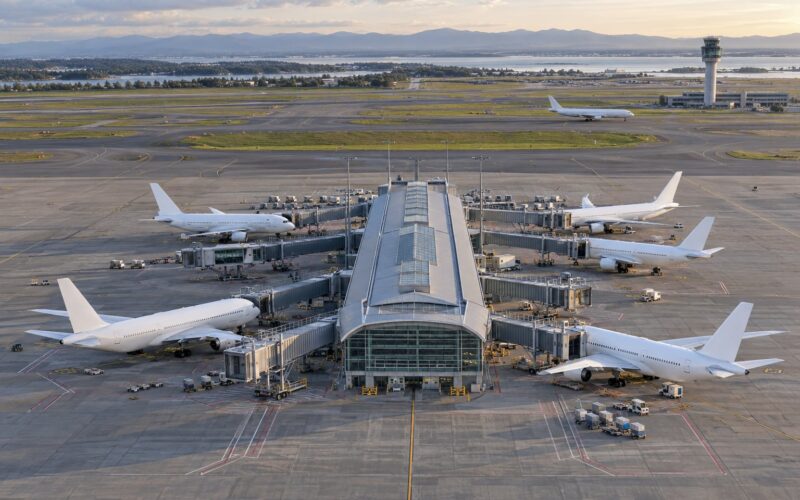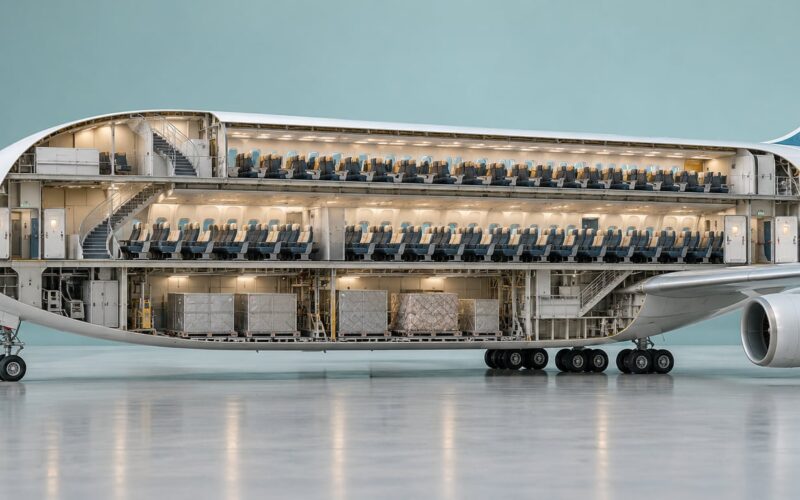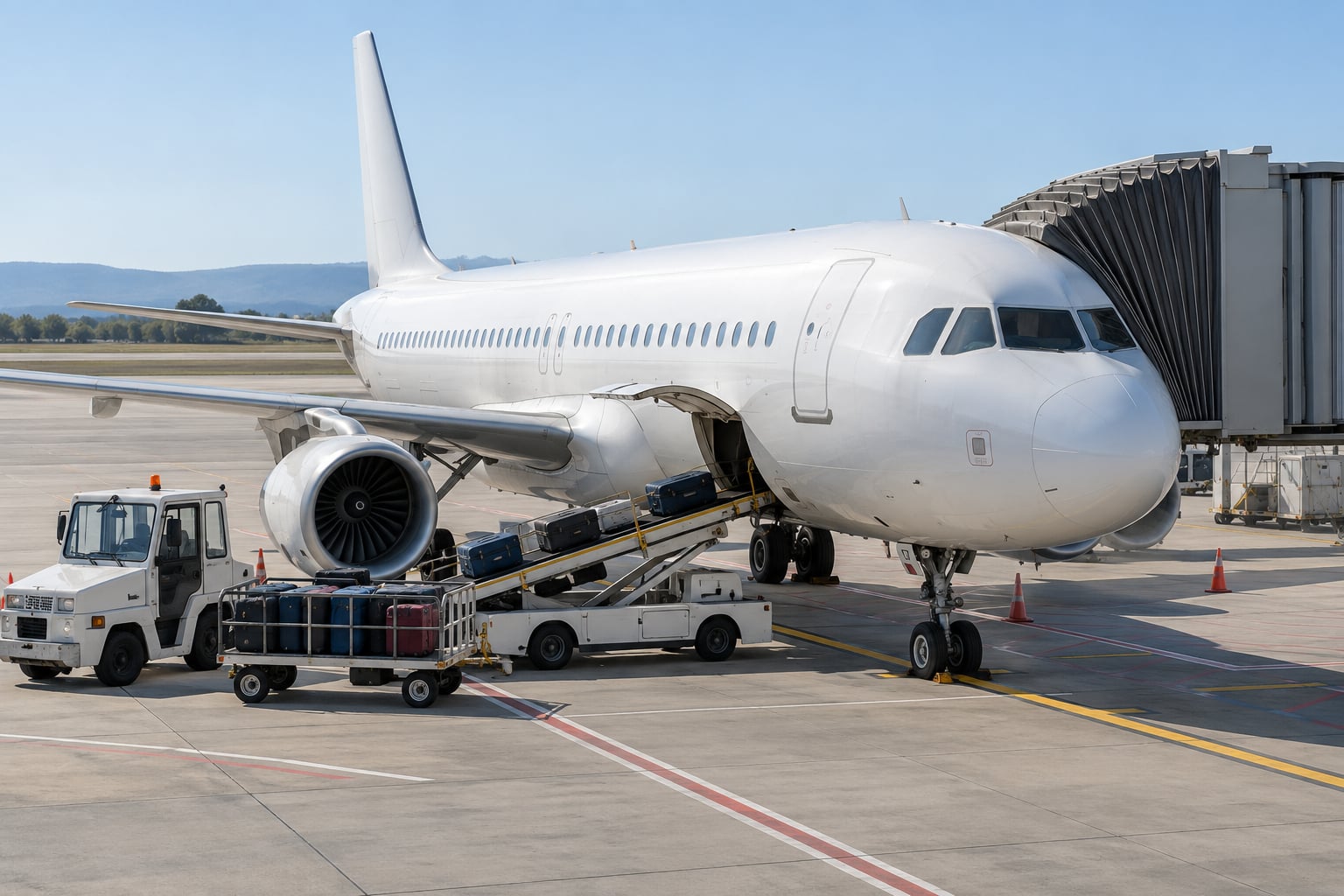
Between one flight landing and the next one taking off, an aircraft is walked around by a pilot, checked by licensed line technicians, refuelled, cleaned, restocked and signed back into service. That entire process is called a turnaround, and the work inside it is line maintenance. Understanding how airplanes are maintained between flights is mostly a matter of following the turnaround sequence: inspect, service, fix or defer, record, release.
Most of it happens while you are still walking through the terminal looking for your gate. What looks like a 40-minute pause is really several teams working a fixed checklist against a clock.
Table of Contents
- 1What Happens During an Aircraft Turnaround?
- 2How Airplanes Are Maintained Between Flights
- 3What Do Pilots and Cabin Crew Inspect?
- 4Where the pilot check ends and the technician check begins
- 5How Airplanes Are Maintained Between Flights: the Ramp Check
- 6What Is Line Maintenance?
- 7What Does a Scheduled Aircraft Inspection Cover?
- 8How Are Fuel, Oil, and Other Fluids Checked?
- 9How Is the Cabin Cleaned and Prepared?
- 10Why Does an Aircraft Sometimes Miss Its Scheduled Departure?
- 11How Do Maintenance Records Affect the Next Flight?
- 12Frequently Asked Questions
- 13How long does routine maintenance on an airplane take between flights?
- 14Who performs maintenance on an aircraft during a layover?
- 15What problems can keep an airplane from departing on schedule?
- 16Is an aircraft fully inspected after every flight?
- 17What is the difference between line maintenance and a hangar check?
- 18Can a flight depart with a minor maintenance issue?
- 19What to Notice During Your Next Flight
What Happens During an Aircraft Turnaround?
A turnaround is the period between wheels-down on one flight and the doors closing on the next. It covers refuelling, a walkaround inspection, cabin servicing, defect rectification and a final release to service. A short-haul aircraft may be turned in 30 to 45 minutes; a widebody with a full catering load and a longer walkaround needs considerably longer.
The sequence usually runs in roughly this order:
- On blocks and chocked. The aircraft stops, chocks go in, the parking brake is set and ground power or the APU takes over from the engines.
- Doors open, passengers off. The jet bridge or stairs go on, and the cabin starts emptying while cleaning crews board from the rear.
- Pilot walkaround. A flight crew member inspects the exterior before going near the cockpit.
- Refuelling. Fuelers connect and fuel to the load sheet figure for the next sectors.
- Catering, potable water, lavatories. Waste comes off, fresh supplies go on, and the galley is restocked.
- Line technician transit check. A licensed technician works through the aircraft, reads the technical log and signs the aircraft as serviceable.
- Defect rectification. Anything found gets fixed, or formally deferred if it is not safety-critical to flight.
- Final checks and doors. Flight controls are confirmed free and correct, cabin crew do their own sweep, doors close, and the aircraft is pushed back.
That is the passenger-facing version. How airplanes are maintained between flights also includes work nobody watching from a window will ever see, and that is where the deeper checks live.
How Airplanes Are Maintained Between Flights
Between-flight maintenance is the short end of a much larger schedule. It happens at the gate, usually inside the same turnaround window, and it covers the aircraft’s daily condition rather than its long-term wear. Heavier preventive work sits on separate intervals measured in flight hours, cycles and calendar time, and it is scheduled around planned overnight or hangar visits.
| Maintenance stage | Where it happens | Who performs it | Purpose |
|---|---|---|---|
| Transit check | Gate, during turnaround | Licensed line technician | Confirm the aircraft is serviceable for its next sector |
| Exterior walkaround | Around the aircraft, ramp | Flight crew member | Catch leaks, damage and anything left uncovered or unsecured |
| Cabin checks | Inside the cabin and cockpit | Cabin crew and technicians | Safety equipment, interior, emergency gear and loose items |
| Overnight or RON check | Gate or hangar overnight | Line technicians | Larger scheduled work fitted into the aircraft’s night on the ground |
| Periodic base check | Maintenance hangar or base | Base maintenance team | Deeper inspection and component changes on flight-hour intervals |
Line maintenance is everything short of base maintenance. That one sentence covers most of what people mean when they ask how airplanes are maintained between flights.
What Do Pilots and Cabin Crew Inspect?
Pilots inspect the aircraft themselves before and after every flight. The exterior walkaround is a visual check looking for leaks, fluid trails, tyre wear, brake damage, control surface damage, unsecured doors or panels, missing covers, bird strikes and anything hanging off the aircraft.
Inside the cockpit, pilots work through the cockpit checklist, confirm the flight controls move freely and correctly, review warning systems and check the flight control locks and pins are removed.
Cabin crew check their own aircraft too: seats upright and latched, tray tables stowed, overhead bins closed, safety equipment in place, and emergency gear such as extinguishers, oxygen masks, first aid kits and flashlights present and serviceable. A cabin defect gets logged the same way a mechanical one does.
Where the pilot check ends and the technician check begins
The pilot’s job is to find anything obviously wrong and put it in the technical log. The technician’s job is to diagnose, repair or certify. A pilot is not expected to open panels, and a technician does not perform the cockpit checklist in the pilot’s place. Procedures differ by aircraft type and operator, so the exact items vary from one airline to the next.
How Airplanes Are Maintained Between Flights: the Ramp Check
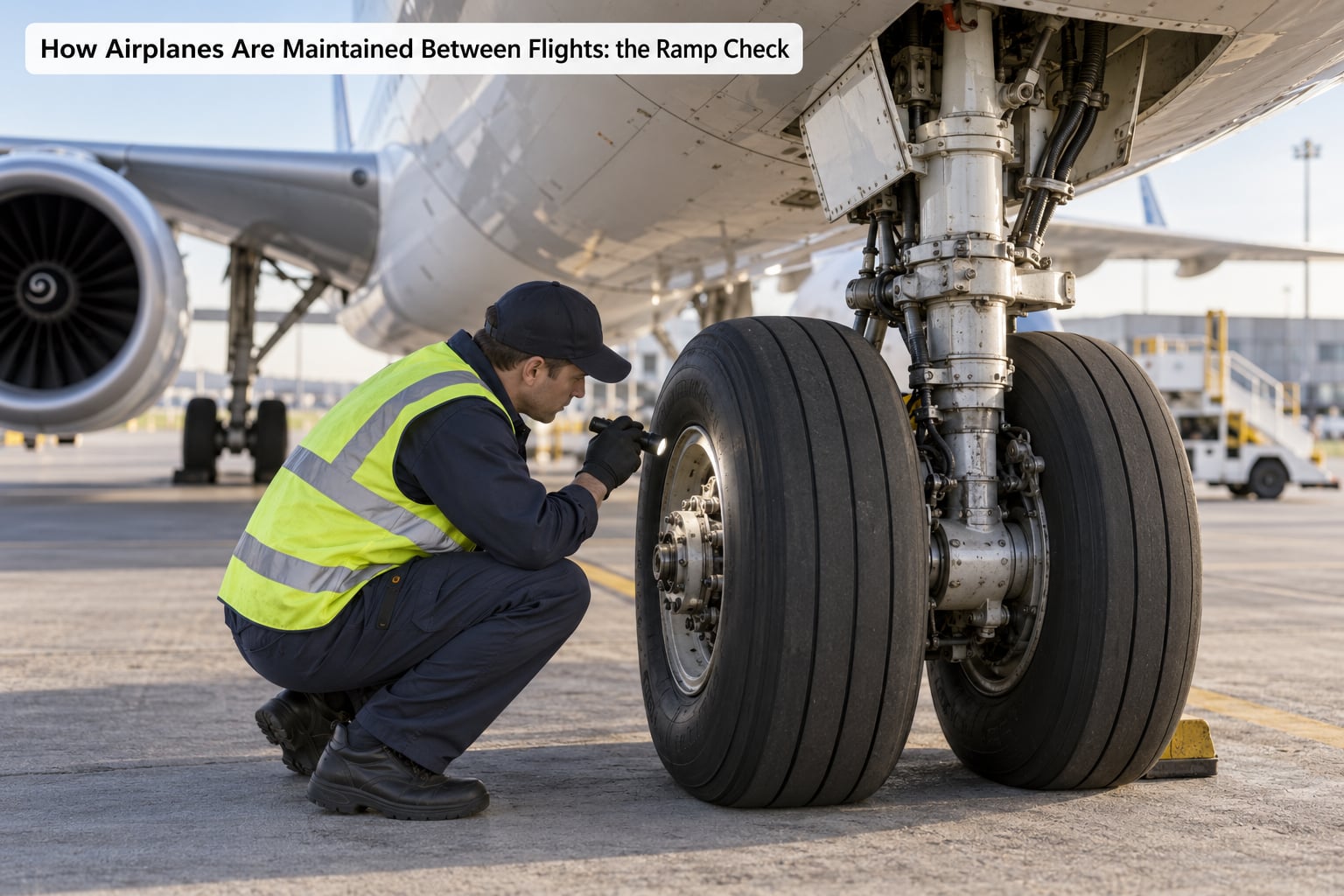
The ramp check is the technician’s version of the walkaround, and it is where most delay-causing defects get caught. Technicians look at tyres and wheel assemblies for wear, cuts or embedded objects, brakes for wear indicators and locking, engines and pylons for leaks and bird or FOD damage, and control surfaces for damage, gaps and interference.
They also check pitot and static ports for blockage, fluid levels in hydraulic and engine oil reservoirs, doors and service panels for damage and correct latching, exterior lights, and the general condition of the airframe under the wing and around the belly. On a wet or contaminated field, the tyre and brake inspection takes longer.
When a technician finds something, the outcome depends on how serious it is. A loose or missing panel item means the aircraft stays on the ground until it is resolved. A non-critical fault may be deferred under the Minimum Equipment List, which is the operator’s approved list of items the aircraft can legally fly without, provided the fault is repaired within a stated number of flight hours or calendar days. A defect outside that list, or one affecting a critical system, grounds the aircraft until it is fixed.
This is why a boarding announcement about a “technical issue” is often a repeated deferral rather than a serious fault. Crews on aviation forums describe far more delays caused by parts availability and coordination than by difficult technical problems.
What Is Line Maintenance?
Line maintenance is the maintenance carried out on an aircraft between flights, at the gate or on the ramp, by licensed technicians working to the manufacturer’s manuals and the airline’s approved maintenance programme.
Typical line maintenance tasks include the transit check, defect rectification, lubrication and fluid top-up, replacement of a failed light bulb or wheel brake set, borescope checks on an engine, and overnight work fitted into the aircraft’s rest overnight (RON) window at the station.
Technicians work from the technical log book, the aircraft’s defect reports and the manufacturer’s maintenance manuals, and they certify work by signing the aircraft back into service. When the fault cannot be handled at the station, the aircraft goes to a hangar or waits for a base maintenance visit, and sometimes for an AOG part to be flown in.
What Does a Scheduled Aircraft Inspection Cover?
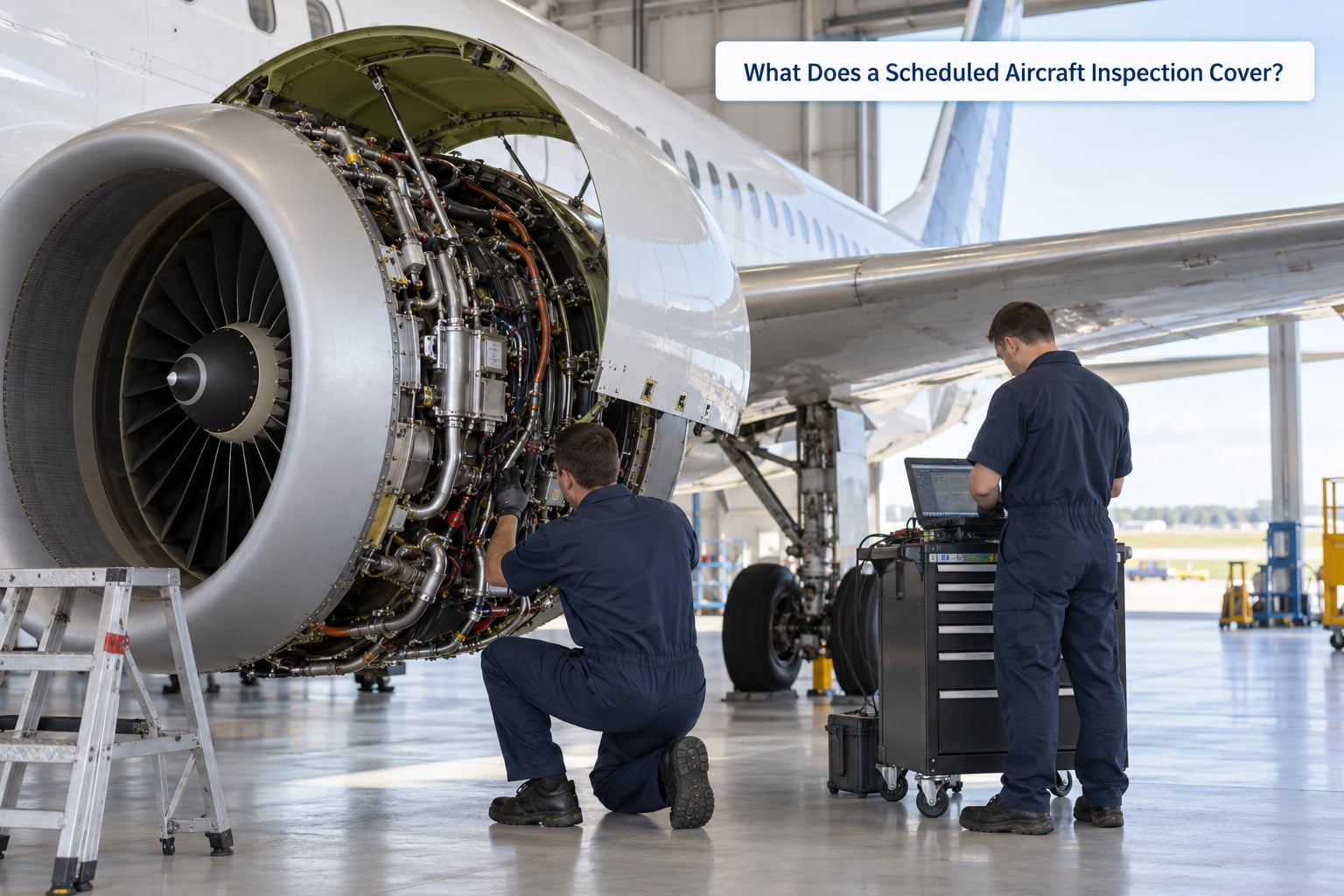
Scheduled inspections happen on intervals set by the aircraft model, the operator, the regulator and the airframe’s accumulated flight hours and cycles. There is no single universal timetable, so treat any interval you read as an example rather than a rule.
Daily and overnight checks cover lubrication, filters, walkaround items, tyre and brake condition and fluid servicing. Periodic checks that open panels and remove components are much deeper, and are worked in a hangar over several days or weeks. Many engine components are now handled by condition monitoring rather than fixed overhaul hours, using oil sample analysis and borescope inspection to look for wear that a fixed schedule would miss.
Airworthiness directives issued by a regulator sit alongside the operator’s own schedule and are mandatory when they apply. Base maintenance also covers things outside the airframe entirely, including cabin interiors, galleys and lavatories.
How Are Fuel, Oil, and Other Fluids Checked?
Fuel quantities are checked against the load sheet for the sectors ahead, and the fueler records what was actually uplifted. The gauge reading is confirmed by a dip or another verified measure, and the crew cross-check the on-board quantity before departure. Fuel state is logged in the technical record.
Engine oil levels are checked visually and, on many aircraft, by the cockpit oil quantity indication. Hydraulic fluid levels are inspected for correct quantity and for signs of aeration or contamination. A leak found during the walkaround is traced to its source, not just topped up.
Oxygen is checked for correct pressure and for the purity the aircraft’s certification requires. Grease points are lubricated on the daily or overnight cycle. Crew oxygen, fire extinguisher bottles and emergency supplies all have their own inspection intervals.
How Is the Cabin Cleaned and Prepared?
Cabin servicing runs in parallel with the technical checks. Lavatory waste is removed and the tanks are flushed with potable water, which is then tested and certified before it can be used.
Cabin crew and cleaners remove rubbish, wipe surfaces, spot-clean galleys and restock food and drinks. Air quality and ventilation checks, seat and belt inspections, and safety equipment checks happen alongside.
Turnaround cleaning is separate from mechanical maintenance. It is service, not safety-critical work, though a defect found during cleaning, a broken tray table or a damaged seat belt, still gets reported and logged.
Why Does an Aircraft Sometimes Miss Its Scheduled Departure?
Most maintenance delays are not dramatic faults. They are small tasks without enough time in the window, and the common causes are recognisable:
- An unscheduled defect that needs troubleshooting rather than a quick part swap.
- A scheduled task from an overnight check left unfinished.
- A part not available at the station, especially at a regional airport.
- Technician availability, duty limits and shift coverage at a small base.
- Fuelling, catering or cleaning running behind schedule.
- Weather disruption at either end of the sector.
- Record or paperwork problems, such as an unfinished task sheet or a missing signature.
A delay and a cancellation are different outcomes. A delay means the aircraft and crew will get there later. A cancellation usually means the aircraft cannot be made serviceable in time, so the operator either waits for a later flight, swaps in another aircraft, or routes passengers onward.
How Do Maintenance Records Affect the Next Flight?
Records drive everything. The technical log records defects and the state of the aircraft. Each entry is either cleared or deferred, and a deferral is only valid if it is inside the Minimum Equipment List, inside its repair interval, and recorded correctly.
Work orders track scheduled tasks so an item cannot be quietly skipped. Signed task sheets prove the work was done by a qualified person to the approved data. Without the release to service, the aircraft does not fly, no matter how healthy it looks from the window.
The practical result is that how airplanes are maintained between flights is less about the aircraft being spotless and more about the paperwork being complete. Every discrepancy has a trail, and every item left open has a repair deadline.
Frequently Asked Questions
How long does routine maintenance on an airplane take between flights?
Routine work is built into the turnaround window, which for a short-haul aircraft is commonly 30 to 45 minutes and for a widebody longer. That window covers the walkaround, transit check, refuelling, cabin servicing and defect rectification. Anything that cannot be finished in time becomes an overnight task or a deferred defect, which is why a late arrival can ripple through the rest of the day.
Who performs maintenance on an aircraft during a layover?
At most airports the work is done by the airline’s own licensed line technicians, or by a contracted line maintenance provider working under an approved maintenance programme. Pilots do their own exterior walkaround and cockpit checks, and cabin crew inspect the cabin and emergency equipment, but neither group carries out or certifies mechanical repairs.
What problems can keep an airplane from departing on schedule?
Common causes are an unscheduled defect needing troubleshooting, an unfinished overnight task, a missing part, limited technician coverage at the station, late refuelling or catering, weather disruption, and unresolved paperwork. Any of these can push the aircraft past its slot. A delay means the same aircraft leaves later; a cancellation usually means the aircraft cannot be made serviceable in time.
Is an aircraft fully inspected after every flight?
No. Every flight gets a walkaround, a cabin check and a transit check that confirm the aircraft is serviceable for its next sector, but a full strip-down inspection is not performed between flights. Deeper work happens on scheduled intervals measured in flight hours, cycles and calendar time, and is worked during overnight or hangar visits.
What is the difference between line maintenance and a hangar check?
Line maintenance is everything done at the gate between flights, such as the transit check, defect rectification, lubrication and overnight tasks. A hangar check is scheduled base maintenance: the aircraft goes to a base where panels are opened, components are removed and inspected, and heavier work is completed over a longer period.
Can a flight depart with a minor maintenance issue?
Yes, sometimes. If the item appears on the operator’s Minimum Equipment List, the fault can be deferred and the aircraft may depart provided the operator’s repair interval is followed. Items not on that list, or faults affecting critical systems, must be fixed before the aircraft flies. Repeated deferrals are tracked and eventually cleared.
What to Notice During Your Next Flight
Next time you sit at the gate with a delay on the board, count the teams rather than the minutes. One technician working the transit check, one fueller, one cleaning crew and one catering team all have to finish before the doors close.
So how airplanes are maintained between flights comes down to this: the safest aircraft is the one where every check, repair, record and release was completed properly, even when that process pushes the departure back. If a fault is fixed on the spot, that is the system working. If it is deferred with a repair deadline attached, that is the system working too.