If you want to prevent ear pain on a flight, equalize the pressure on both sides of your eardrum by swallowing, chewing gum, or yawning, starting before takeoff and working hardest during descent. The basics take about ten minutes of active effort, and they work far better if you start them before your ears hurt rather than after.
Most people get airplane ear because their Eustachian tube — the drain that connects the middle ear to the back of the throat — does not open fast enough while cabin pressure is dropping. Doctors call that ear barotrauma, and you may also see it written as aerotitis media.
Table of Contents
- 1What You Need to Prevent Ear Pain on a Flight
- 2Step-by-Step
- 3Before You Board
- 4During Takeoff and Ascent
- 5During the Flight
- 6During Descent and Landing
- 7After You Land: Recovering from Ear Pain on a Flight
- 8Common Mistakes That Make Ear Pain on a Flight Worse
- 9Frequently Asked Questions
- 10What can I take for ear pain while flying?
- 11Is it safe to fly when congested?
- 12Why is my ear pressure not equalizing after flying?
- 13Do ear plugs help with ear pain on a plane?
- 14How do you unblock ears that will not pop?
- 15Conclusion
What You Need to Prevent Ear Pain on a Flight
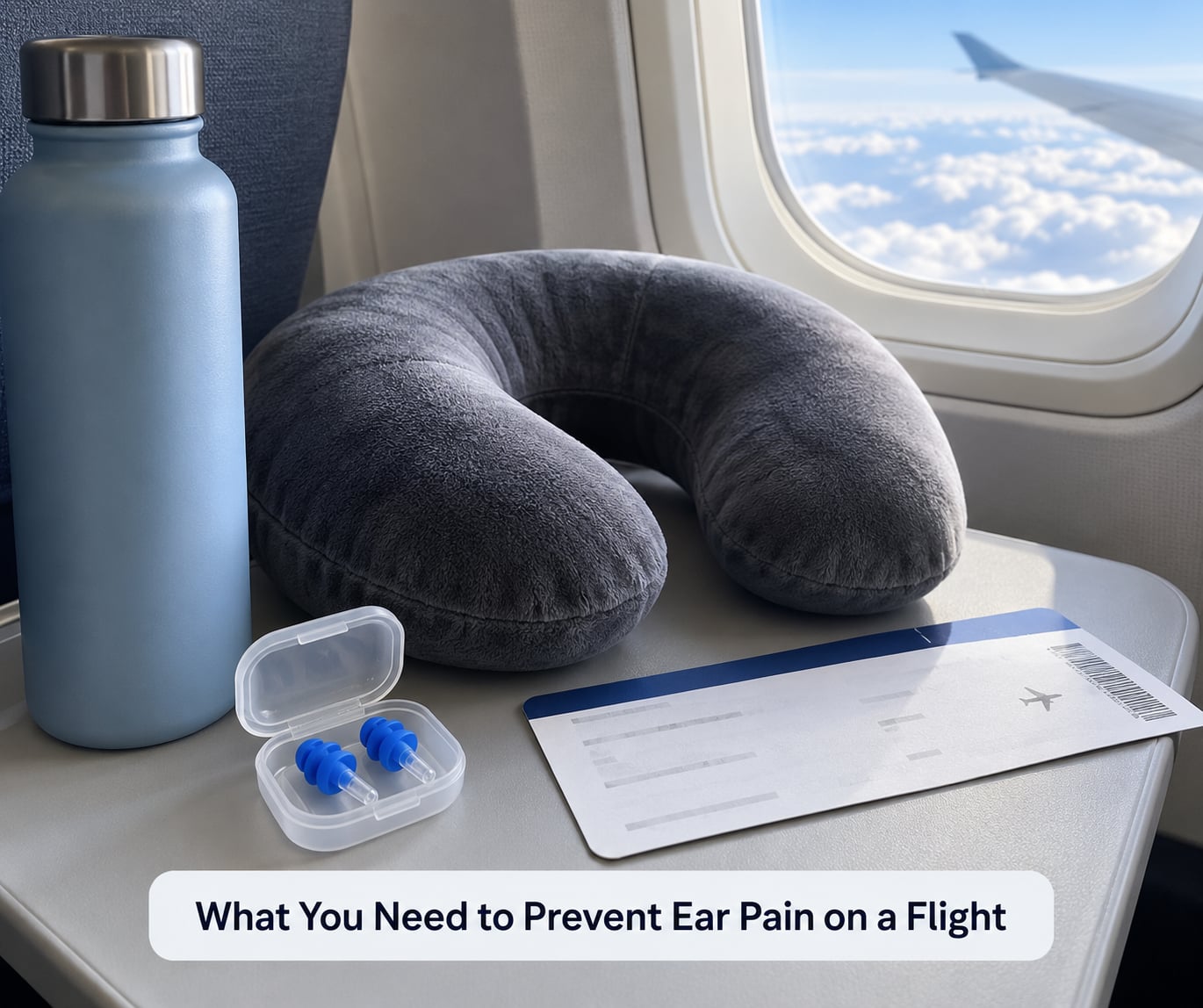
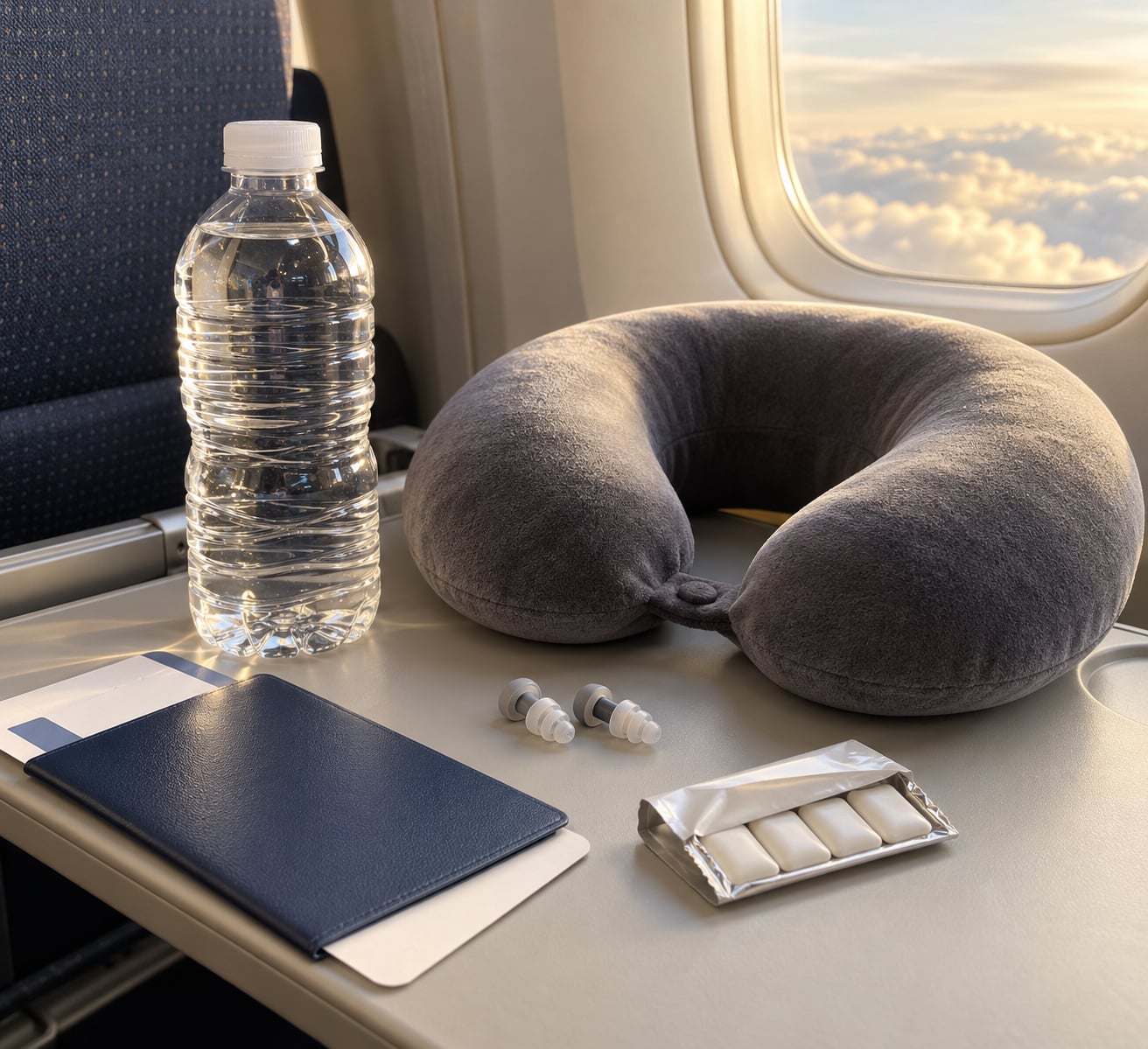
None of this requires a doctor or a prescription. It requires a bottle of water, something to chew, and the discipline to stay awake for the twenty minutes that matter.
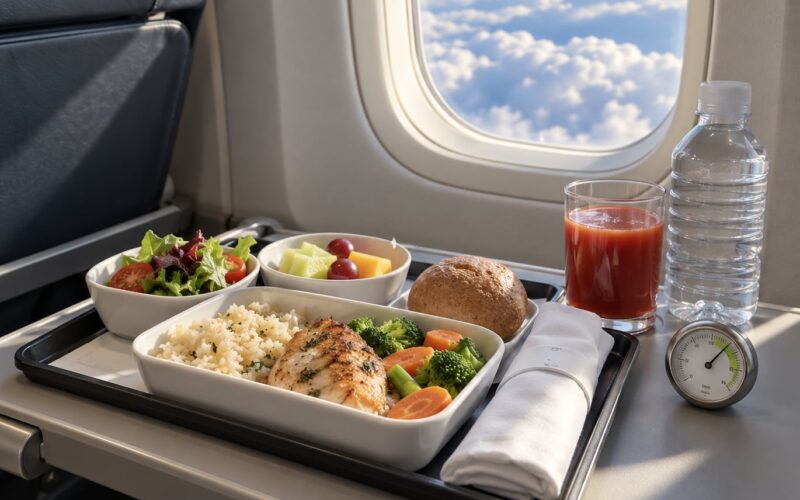
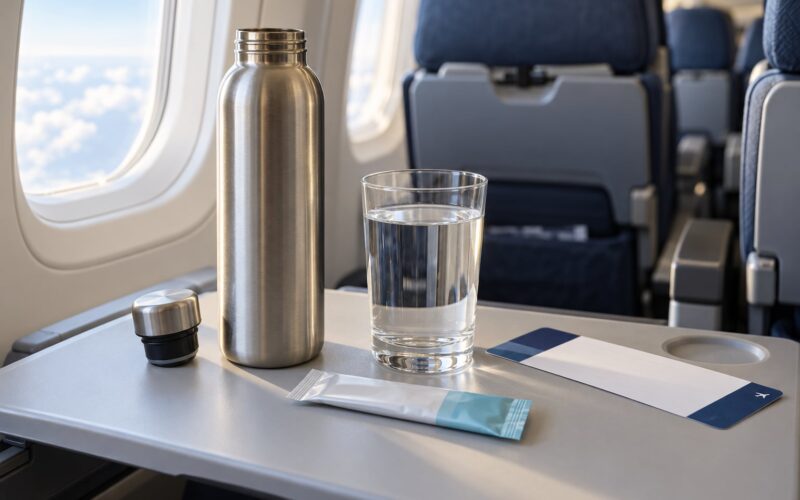
- Water, and more water than usual. Hydration thins the mucus lining your nose and throat, and a thin mucus layer lets the Eustachian tube open. Alcohol works the opposite way, so skip it in the terminal and on board.
- Something to chew or suck on. Gum, a hard candy, or a bottle you can drink from. Chewing moves the jaw, which moves the tube.
- Filtered earplugs. Pressure-regulating plugs such as EarPlanes or any generic equivalent slow the pressure change reaching your eardrum. Ordinary foam plugs only block cabin noise and do nothing for pressure.
- A travel neck pillow. Mostly for sleep, and only because sleeping through descent is the single most avoidable mistake you can make.
- A medication plan, if you are congested. A decongestant taken 30 to 60 minutes before departure and again before landing, but only after you have checked the contraindications below.
- Awareness of your own risk factors. A cold, sinus infection, nasal allergies, recent ear surgery, ear tubes, or a history of ear trouble all change the plan. If any of those apply, ask your doctor or pharmacist before the trip rather than at the gate.
Step-by-Step
Before You Board
Start the night before if you can. Being well hydrated and clear of congestion the day before a flight makes the whole equalizing process easier than trying to fix a blocked nose at the boarding gate.
On the day itself, work through this list:
- Hydrate steadily. Keep drinking water through the airport, not just a gulp at the gate. You do not need gallons; you need a consistently moist throat.
- Deal with congestion before you fly. A decongestant spray such as oxymetazoline or an oral decongestant such as pseudoephedrine takes effect 30 to 60 minutes before takeoff. Check with a doctor first if you have high blood pressure, heart disease, are pregnant, or are taking other medications.
- Do not use a decongestant spray for more than five consecutive days. Beyond that, the rebound effect can make congestion worse, which is the opposite of what you want.
- Choose a seat where you can yawn and stretch. An aisle seat makes it easier to stand, walk, and reset your posture during the pressure window.
- Set an alarm for 60 minutes before landing. Descent can begin a full hour before the wheels touch, and if you are asleep when pressure starts falling you will wake up mid-pain with no chance to do anything about it.
Can you fly when you are congested? Often, yes, but it converts a routine flight into a gamble, and the odds get worse the more blocked your nose is. People on forums weigh this constantly, and the honest answer is: if you can rebook without major cost, rebooking beats gambling. If you must fly, the combination of a spray, an oral decongestant, filtered earplugs, and constant swallowing during descent is the protocol experienced travelers actually use.
During Takeoff and Ascent
Ascent is the easier half. Cabin pressure rises, the middle ear is pushed inward, and most people equalize without noticing.
Be ready anyway, because a nostril blocked from a cold blocks the tube. Swallow every 15 to 30 seconds through the first part of the climb, keep chewing, and take a sip of water. A yawn is the single most effective move because it opens the throat and the jaw at the same time.
If you feel pressure building, work gently and stop when it releases. Forcing it is how people turn a mild problem into a ruptured eardrum.
During the Flight
Cruise is where passengers lose the habit and forget about their ears entirely, then get ambushed on the way down.
Keep drinking water rather than coffee or alcohol, and swallow or yawn every half hour or so even when nothing hurts. Use the cruise hours to treat a cold you can feel coming. If you already have a sinus or ear infection, a nasal rinse or steamy shower before landing can soften the blockage enough to let the tube open on descent.
Do not wear earbuds or noise-cancelling headphones sealed with ear tips through the descent window. Those seal the ear canal completely, and you lose the small venting that helps pressure find its way out. Filtered earplugs are different: they slow the change rather than sealing you off.
During Descent and Landing
Descent is where it hurts, because falling cabin pressure pulls the eardrum outward and a swollen tube cannot vent the difference. Almost all the work is here, and the window can start up to an hour before landing.
- Stay awake. Set that alarm. Sleeping is why so many people wake up in pain with nothing to try.
- Swallow, chew, or yawn on a rhythm. Every 15 to 30 seconds, not once. Most people try twice, fail, and assume the technique does not work.
- Switch chewing sides. Some people get relief by moving the jaw from one side to the other between swallows.
- Try the Valsalva maneuver gently. Pinch the nostrils shut, close your mouth, and blow softly as if inflating a balloon. Slow and light is the instruction that matters. If nothing releases after a few attempts, stop. Do not blow hard, and if you feel sharp pain, stop immediately.
- Hold your nose and swallow rather than blow. This gentler variant works for people whose tube is swollen rather than blocked, and it is the version flight crew tend to use.
- Keep the filtered earplugs in. If you wear them, insert them before the descent window and leave them in until after landing.
A community-sourced trick from travel forums that costs nothing: over-ear noise-cancelling headphones hold filtered earplugs in place better than bare ears do, which stops them working loose during the whole descent.
You will know it is working when the pressure drops away and sound returns to normal, even if it takes a few tries. If you hear yourself swallow and nothing pops at all, the tube is probably swollen shut, and no amount of force fixes that — which is exactly why the medication and gear steps above happen before boarding.
After You Land: Recovering from Ear Pain on a Flight
Muffled hearing and a blocked feeling right after landing are common and usually temporary. They happen because the tube is swollen, not because the eardrum is damaged.
For the first day or so after a bad flight:
- Keep swallowing and yawning. Chewing gum, drinking, and yawning on purpose keep working the tube open after it lands.
- Use a warm compress over the ear or the cheek for short stretches. Warmth relaxes the muscles around the tube.
- Continue a decongestant if you were already taking one, following the label and the five-day rule for sprays.
- For the pain itself, an over-the-counter anti-inflammatory such as ibuprofen or naproxen is what most travelers and ENT clinics suggest. Follow the label and ask a pharmacist if you take other medications.
- Skip ear candles. Hospital patient-education guidance does not recommend them, because the heat and wax can burn the canal or rupture an eardrum.
Blockage that clears within a day or two is the normal pattern. See a doctor if the pain is severe or worsening, if you get drainage from the ear, if you have fever, dizziness, or new hearing loss, or if the fullness lasts more than a few days. The same applies if you get pressure pain and a headache after a dive or a mountain descent.
Be skeptical of homeopathic options, including the ones that circulate in parent forums. There is no good evidence behind them, and they delay the one thing that works for a genuinely blocked tube: medical treatment.
Common Mistakes That Make Ear Pain on a Flight Worse
Sleeping through the descent. The tube does not open well during sleep, and you cannot equalize pressure you do not notice. Fix: set an alarm for 60 minutes before landing.
Blowing too hard with the Valsalva maneuver. Force can injure the eardrum. Fix: gentle balloon pressure, and stop if it hurts.
Waiting until it hurts. Equalizing before the pressure moves is far easier than equalizing against it. Fix: start the swallow-yaw rhythm in the climb.
Trying once and giving up. One failed attempt usually means the tube is swollen, not that the method is wrong. Fix: keep the rhythm up every 15 to 30 seconds for a few minutes.
Drinking alcohol or flying dehydrated. Alcohol dries the tissues that need to stay moist. Fix: water only, all the way through the flight.
Using ordinary earplugs and assuming they help. Foam plugs muffle noise but do nothing for pressure. Fix: filtered or pressure-regulating plugs.
Using a decongestant spray for weeks. The congestion comes back worse. Fix: five consecutive days maximum, per the label and your pharmacist.
Flying sick and hoping for the best. Congestion plus altitude is the combination behind most painful flights. Fix: treat the congestion first, or move the flight.
Frequently Asked Questions
What can I take for ear pain while flying?
The two options travelers use most are a decongestant nasal spray such as oxymetazoline and an oral decongestant such as pseudoephedrine, taken 30 to 60 minutes before takeoff and again before landing. A nasal corticosteroid spray can help if allergies are the cause. Check with a doctor first if you have high blood pressure, heart disease, are pregnant, or take other medications, and never use a decongestant spray for more than five consecutive days.
Is it safe to fly when congested?
It is generally safe, but congestion blocks the Eustachian tube and makes equalizing much harder, which raises your odds of a painful flight and prolonged post-flight blockage. If you can move the flight cheaply, do it. If you cannot, treat the congestion before you fly, use filtered earplugs, and swallow or yawn every 15 to 30 seconds through the entire descent rather than relying on takeoff alone.
Why is my ear pressure not equalizing after flying?
Most often the Eustachian tube is swollen from a cold, allergy, or irritation, so it stays partly closed after you land. Keep swallowing, chewing, and yawning, use warm compresses, and continue a decongestant if you already started one. Muffled hearing and fullness that clear within a day or two are common. Persistent blockage, severe pain, drainage, fever, dizziness, or hearing loss needs a doctor, usually an ENT specialist.
Do ear plugs help with ear pain on a plane?
Only filtered or pressure-regulating plugs such as EarPlanes and generic equivalents slow the rate of pressure change reaching your eardrum, which gives the Eustachian tube more time to open. Ordinary foam earplugs block cabin noise but have no effect on pressure. Insert filtered plugs before the descent window rather than at the gate, and leave them in until after landing.
How do you unblock ears that will not pop?
If your ears will not pop, the tube is probably swollen rather than blocked by wax, so force will not help. Stop blowing hard with the Valsalva maneuver, and try the gentler version of pinching your nose and swallowing instead. Yawning deliberately, chewing, staying hydrated, and using a decongestant you have already cleared with a pharmacist give the tube time to reopen. If fullness lasts more than a few days, book an ENT appointment.
Conclusion
If you do one thing, set an alarm for 60 minutes before landing and stay awake for the descent, swallowing or yawning every 15 to 30 seconds. That is where the pain happens, and that is the only window where equalizing actually matters.
Add water instead of alcohol, gum or a hard candy, and filtered earplugs if you are prone to it. Treat congestion before you board, never blow hard, and keep a decongestant spray to five days maximum. If your ears stay blocked or painful more than a few days after landing, or you notice drainage, fever, dizziness, or hearing loss, book an appointment with a doctor rather than waiting it out.