An unaccompanied minor (UM) is a child who flies without a parent or guardian travelling alongside them, booked on the airline’s escorted minor service. Airline staff check the child in, walk them through the airport to the gate, look in on them during the flight, and hand them to a named adult at the destination. Everything about how children fly as unaccompanied minors comes down to three things: the airline’s age rules, the paperwork you file before departure day, and the pickup plan at the other end.
This is the guide I wish someone had handed me before booking my nephew’s first solo flight. It takes roughly 20 minutes of research and one form, but you have to do it before you buy the ticket, not the night before.
Table of Contents
- 1What You Need
- 2A child who actually qualifies
- 3An itinerary the airline will accept
- 4Paperwork for the child and for you
- 5Names and phone numbers that actually work
- 6A go-bag your child can carry
- 7Step-by-Step: Booking the Trip
- 8How to check the airline’s unaccompanied minor rules
- 9How to book and pay for the child’s flight
- 10How to prepare the child’s documents and contact plan
- 11How to complete airport check-in and handoff
- 12Common Mistakes
- 13Frequently Asked Questions
- 14What is the minimum age for a child to fly alone?
- 15Can a child fly as an unaccompanied minor on a connecting flight?
- 16Do airlines charge a separate fee for unaccompanied-minor service?
- 17What documents should I send with my child on a solo flight?
- 18Can an unaccompanied minor fly internationally?
- 19What happens if the child’s flight is delayed or canceled?
- 20Conclusion
What You Need
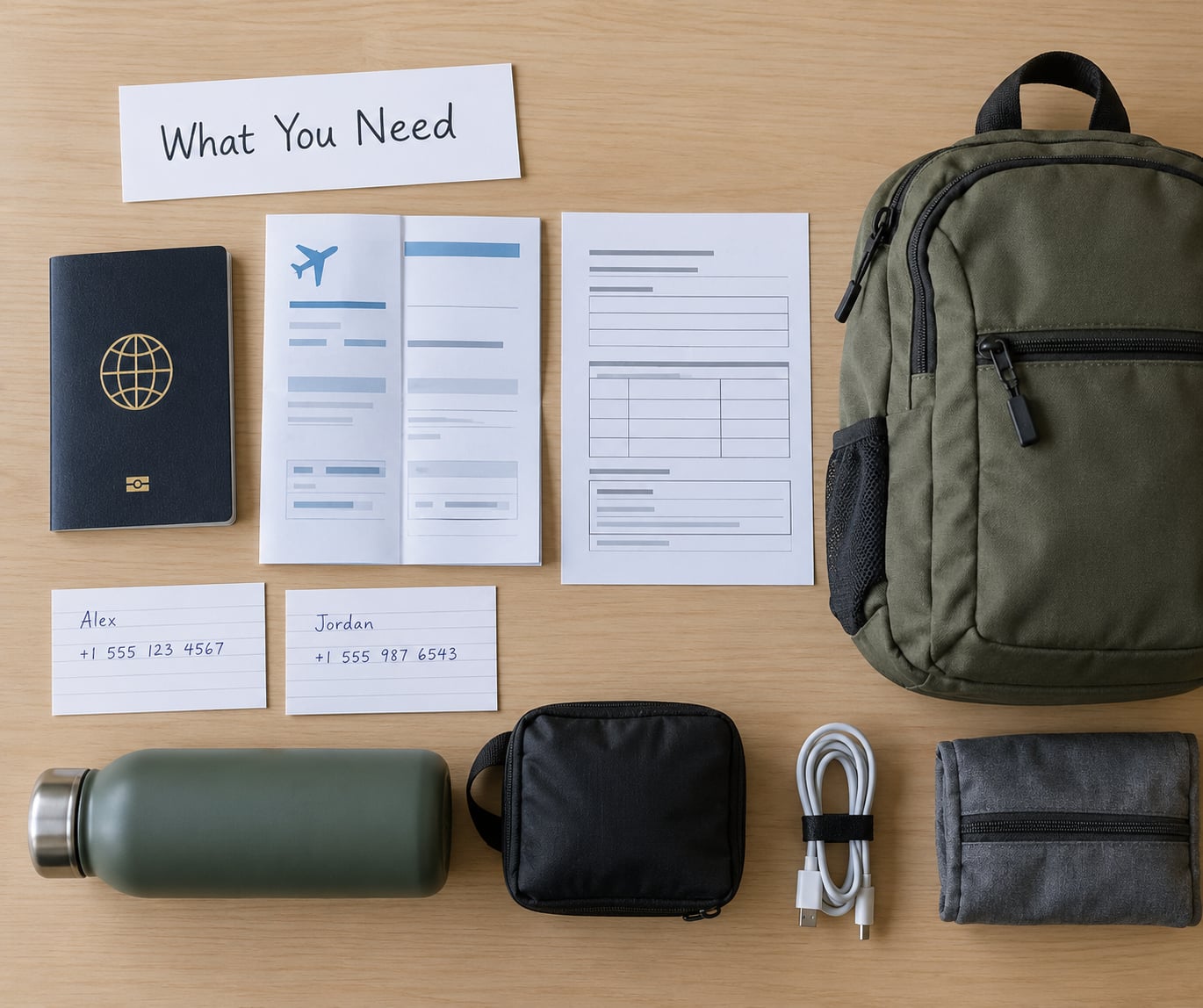
Most surprises in this process come from discovering a requirement too late, so gather these before you book anything.
A child who actually qualifies
Every major US carrier sets the floor at around 5 years old for escorted service, and several will not sell a ticket to a younger child at any price. Between roughly 5 and 14, UM service is normally mandatory rather than optional. From about 15 to 17, most airlines treat it as a choice you can make for comfort rather than something you must buy.
Note the gap between what is allowed and what is ready. A nine-year-old can be legally and policy-permitted to fly alone and still be the wrong age for a six-hour overnight itinerary. You know your kid; the airline only knows the birthdate.
An itinerary the airline will accept
Unaccompanied minor service has route rules that regular tickets do not. Common exclusions: the last flight of the day, overnight connections, itineraries booked on a partner or codeshare carrier, connections where the airport changes between a city’s airports, and layovers long enough that the airline cannot supervise the child.
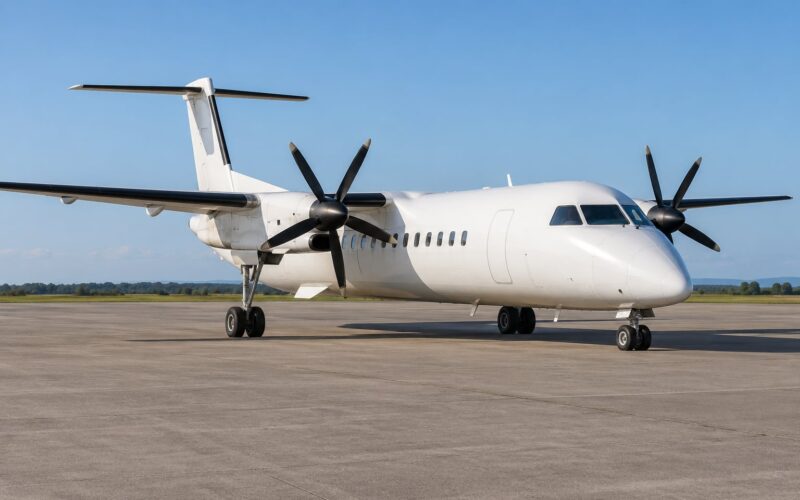
Pick a daytime nonstop flight between about 10 a.m. and 6 p.m. and you will dodge almost every restriction at once. Book the connection as a single itinerary on one airline, not two tickets you stitched together.
Paperwork for the child and for you
- The child’s passport for international travel, or a birth certificate plus the documents your airline asks for domestically
- A government photo ID for the adult dropping the child off, and a copy of it to hand over at check-in
- The airline’s unaccompanied minor travel form, completed and signed, often required for every child in the booking
- A written parental consent letter if the child is travelling internationally, and additional notarised paperwork if only one parent holds custody
- Any medication with a doctor’s letter and dosing instructions
Names and phone numbers that actually work
You supply two adults: the person dropping the child off and the person picking them up at the destination. Most airlines require the pickup adult to be at least 15 or 18 and to show matching photo ID. Give both a primary and a backup number, because phones die and plans change.
A go-bag your child can carry
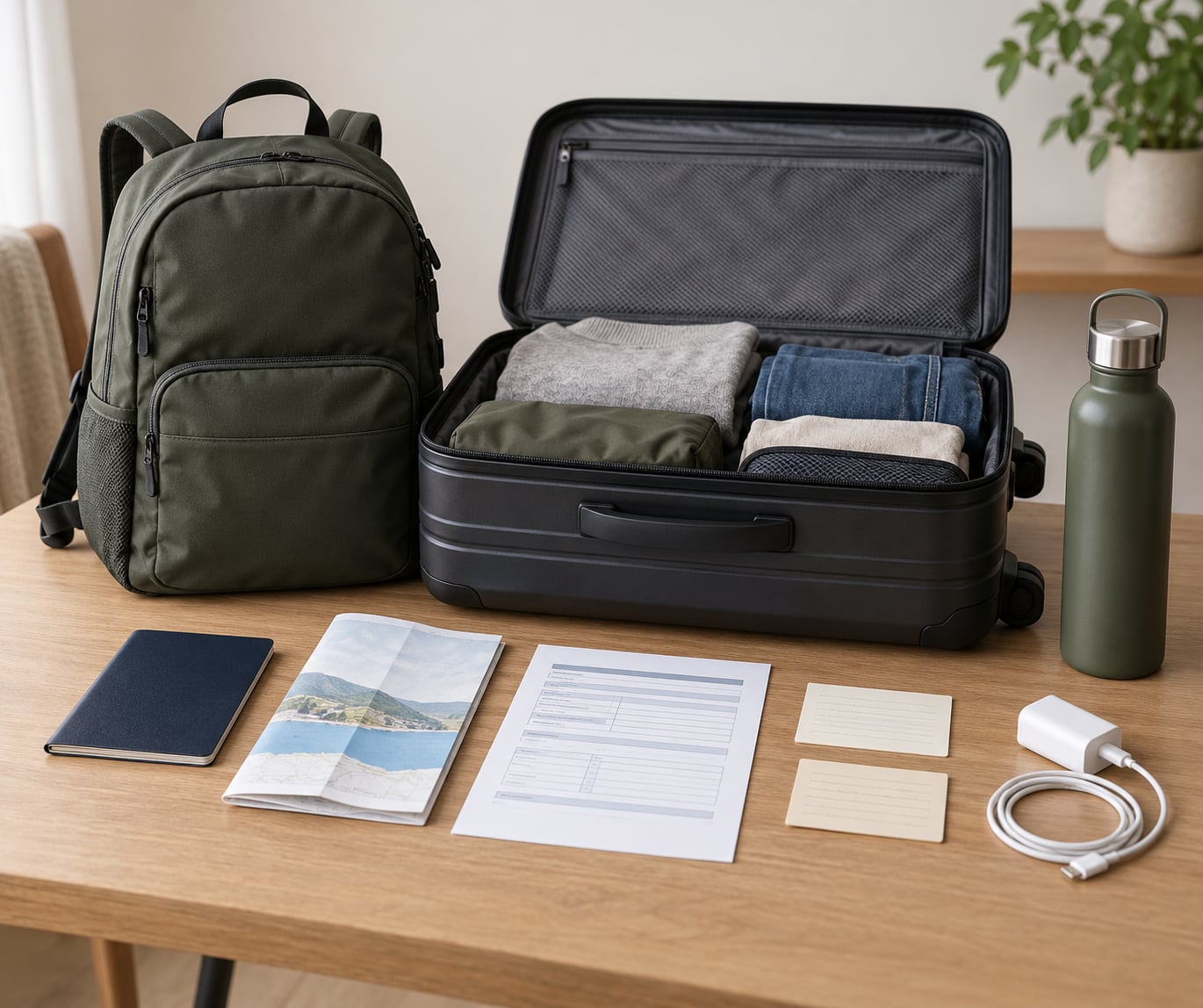
A small backpack with water, snacks, a charger, a change of clothes, any medication, a comfort item, and printed copies of the itinerary and contact details. Keep the paperwork in the child’s own bag, not in checked luggage, because checked bags and children do not always stay together.
Step-by-Step: Booking the Trip
How to check the airline’s unaccompanied minor rules
Open the airline’s own unaccompanied minor page and read it end to end before comparing anything else. You are looking for five things: the minimum age, the age at which service becomes optional, the youngest age allowed to connect, which itineraries are excluded, and how the supervision charge is structured (usually per direction, and often higher on international trips).
Call the reservations desk rather than booking online if your child sits anywhere near an age boundary. Online booking systems frequently miscode a child as an adult, and parents on Reddit’s r/travel report check-in desks refusing boarding when that mistake surfaces at the counter. It is a miserable five minutes to have, and it is entirely preventable with a phone call.
Check age rules like this:
| Age | What airlines usually require | Itinerary that tends to work |
|---|---|---|
| 5 to 7 | Escorted UM service, fully supervised at boarding and arrival | Daytime nonstop only, mid-morning to early evening |
| 8 to 11 | Escorted UM service required | Nonstop preferred; connections only on carriers that allow them |
| 12 to 14 | Usually still required; some carriers make it optional from age 12 | Nonstop or a single daytime connection |
| 15 to 17 | Optional; the child may travel as a regular young passenger | Standard itineraries, though escorted service can still be bought |
These are typical patterns, not a substitute for the carrier’s current page. Policies change, and each airline sets its own floor and ceiling.
How to book and pay for the child’s flight
Book the child and any travelling adult separately if your itinerary requires it, so an adult delay does not cancel the child’s trip. During reservation, state clearly that the child travels unaccompanied and give the child’s date of birth, because the agent codes the booking as UM from the start.
Pay every fee in full at booking, including the supervision charge and any seat assignment for the whole journey. Ask for written confirmation by email listing the flight numbers, the fee breakdown, and the pickup adult’s name. That email is your reference when the name needs changing, which parents on FlyerTalk say comes up more often than anyone expects.
How to prepare the child’s documents and contact plan
Fill out the UM form and leave it with the airline staff at the check-in counter on the day. Inside the child’s bag, place a folded card with: the airline’s name and phone number, the parent’s phone number, the pickup adult’s full name and phone number, the hotel or relative address and phone at the destination, and what to do if the adult does not arrive.
Parents on travel forums repeatedly describe that card as the single thing that turned a nervous trip into a smooth one. A prepaid phone or a cheap burner with the parent’s number already in it helps more than almost anything else you pack.
For international travel, check the entry rules for both the destination and any transit country. Most borders want a signed parental consent letter, and countries including South Africa, Thailand and Colombia can require notarisation or an apostille. Do not assume a US-issued birth certificate is enough on its own.
How to complete airport check-in and handoff
Arrive early. UM check-in takes considerably longer than an adult check-in, and families who cut it close miss the flight. Here is how the morning usually runs.
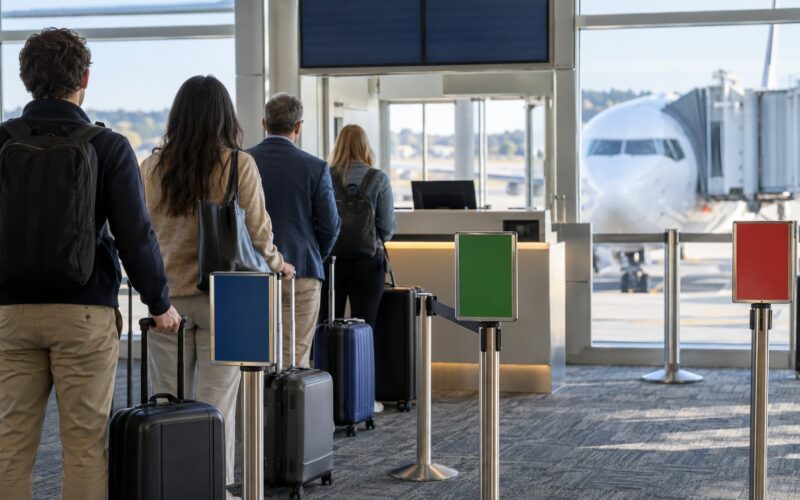
- Check-in counter: Present photo ID, the child’s documents, and the completed UM form. Staff verify the drop-off adult’s identity and the pickup adult’s details.
- ID rules for the child: TSA does not require a government photo ID for anyone under 18, so a passport or birth certificate is fine, and plenty of children travel with no ID document at all. The airline may still ask for proof of age.
- Security: An airline agent walks the child through the checkpoint. PreCheck and Global Entry enrolment are available for minors, so enrol ahead if you expect frequent solo travel.
- Gate handoff: The agent stays with the child until boarding and hands over a boarding pass or contact card the crew expects.
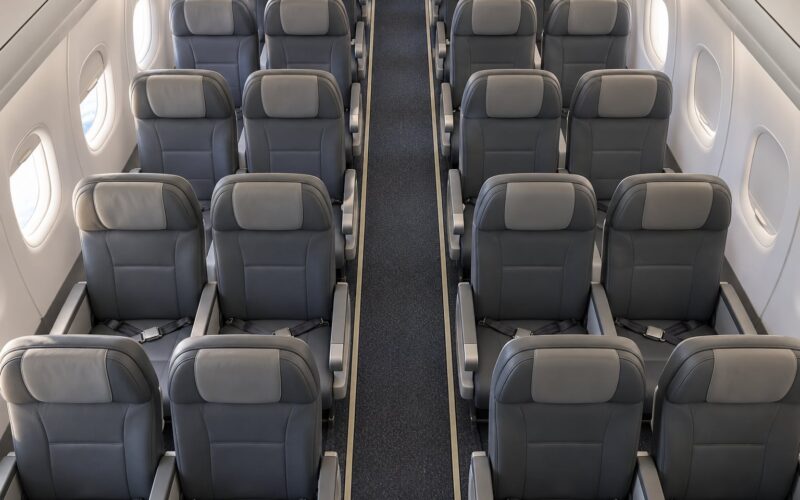
- Boarding: The child boards early and is usually seated near the cabin crew.
- In flight: Crew check in at intervals. Be clear with yourself that attendants are responsible for the entire cabin and are not a dedicated babysitter, which is the misunderstanding most parents correct after the first trip.
- Arrival: Staff escort the child to the arrivals area and hand them to the named adult, who must show matching photo ID. Anyone else trying to collect the child will be refused.
Parents commonly ask whether they can leave once the child boards. Most airlines require the drop-off adult to remain at the airport until the flight is airborne, and the named pickup adult to stay until the handoff is complete.
Common Mistakes
Assuming every airline treats minors the same. Age floors, optional-service ages, and itinerary rules vary by carrier. A trip that qualifies on one airline gets refused on another for an overnight connection or a codeshare.
Booking online and getting miscoded as an adult. This is the most reported failure mode on parent forums. The fix is a phone reservation where you say the words “unaccompanied minor” out loud and ask the agent to confirm the booking code.
Picking the last flight of the day. A missed delay turns into a child with nowhere supervised to go. Mid-afternoon arrivals leave a buffer and keep the child out of the airport overnight.
Booking two separate one-way tickets to save money. Two independent tickets mean no single airline owns the whole journey. If the first leg is delayed, there is nobody obligated to help with the second, and UM service may not apply across the connection.
Leaving the consent letter out on an international trip. Border officers can and do turn a child back without a signed, sometimes notarised, letter from the non-travelling parent. This is the single most stressful item in the whole process and the easiest to fix with a week of notice.
Choosing an arrival time with no pickup cushion. A flight landing at 11 p.m. leaves the child waiting for whoever is collecting them, on their own, at an unfamiliar airport. Aim for the middle of the day and make sure the pickup adult knows the exact flight number.
Underpacking the emotional preparation. Packing is half the job. Walk your child through the bathroom, the boarding time, what turbulence feels like, and exactly what to do if they cannot find the pickup person: call the number on the card and stay put. Teens interviewed about their first solo trips say a calm briefing matters more than anything in the bag.
Frequently Asked Questions
What is the minimum age for a child to fly alone?
Most major US airlines set the floor at about 5 years old for escorted unaccompanied minor service, and most will not sell a ticket to a younger child at all. From 5 to roughly 14, the service is usually mandatory; from 15 to 17 it is generally optional. Some carriers and some international routes set different limits, so confirm on the airline’s own page before buying.
Can a child fly as an unaccompanied minor on a connecting flight?
Yes, on some airlines. Most carriers allow a connection but restrict the itinerary: no overnight layovers, no connection on a partner or codeshare carrier, no same-city airport changes, and a cap on how long the child waits between planes. Many airlines restrict children under 8 or 12 to nonstop flights only. A single itinerary booked on one carrier is far safer than two separate tickets.
Do airlines charge a separate fee for unaccompanied-minor service?
Yes. Each airline sets its own supervision charge, and it is almost always billed per direction rather than per leg, so a round trip costs double. International itineraries are often priced higher than domestic ones, sometimes by distance zone. Rates change often, so treat any figure you find online as a starting point and confirm the current amount during reservation.
What documents should I send with my child on a solo flight?
Send the completed unaccompanied minor form, a copy of the drop-off adult’s photo ID, the child’s passport or birth certificate for international trips, any medication with a doctor’s letter, and a signed parental consent letter. The child should also carry a card with the airline phone number, your number, the pickup adult’s name and phone, and the destination address.
Can an unaccompanied minor fly internationally?
Yes, with more documentation than a domestic trip. The child needs a valid passport, and most countries also require a consent letter signed by the non-travelling parent, sometimes notarised or apostilled depending on the destination. Transit countries can add their own rules. Because minors booked as UM are rarely eligible to travel unescorted on some long-haul services, check the carrier’s international policy early.
What happens if the child’s flight is delayed or canceled?
The airline owns the child’s supervision from check-in to the arrival handoff, including during disruption. Staff move the child to a supervised holding area or a UM lounge at hub airports, provide meals, and rebook onto the next available flight, with hotel and transport arranged if an overnight stay is required. The named pickup adult must be told, and the airline will not release the child to anyone else.
Conclusion
Four things to do first. Read the specific airline’s unaccompanied minor page and note the minimum age, the optional-service age, and the excluded itineraries. Book by phone so the reservation is coded correctly as a UM, and pay every fee at once. File the UM form and consent documents a week ahead of departure. Then confirm, in writing, who drops the child off and who collects them, and build a timetable that leaves a middle-of-the-day arrival with a real pickup cushion.
Get those four right and the rest of the trip is logistics you have already done twice before.